Drumset Mic Comparison: AKG Session I vs. Samson 7Kit vs. Sennheiser e 900 Series
Key Facts
- All three sets are 7-piece microphone kits designed to capture a full drum set.
- The primary engineering difference is in configuration: the Samson 7Kit uses a specialized 1+1+3+2 layout, while the AKG Session I and Sennheiser e 900 series use a flexible 1+4+2 layout.
- These kits represent three distinct professional tiers: the Samson 7Kit for project studios, the AKG Session I as a versatile workhorse, and the Sennheiser e 900 series as a professional studio and touring standard.
In my seven years as a professional audio engineer, I’ve learned that capturing a great drum sound is one of the most complex tasks in audio. It’s an art of capturing explosive transients, deep low-end, and subtle articulation simultaneously. While you can build a mic locker piece by piece, an all-in-one drum mic kit offers a sonically matched, convenient, and road-ready solution.
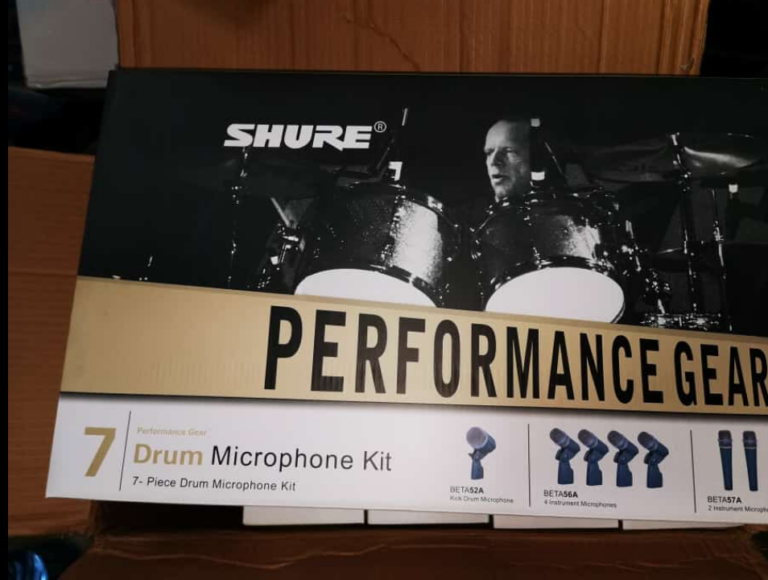
The images provided show three very popular 7-piece kits that I’ve encountered in various live venues and studio sessions: the Samson 7Kit, the AKG Drum Set Session I, and a 7-piece kit from the Sennheiser e 900 series.
This isn’t a review. This is an engineer’s breakdown of what you’re really getting with each, what the trade-offs are, and in which applications they truly belong.
The 7-Mic Philosophy: 1+4+2 vs. 1+1+3+2
Before we compare models, we have to talk philosophy. The number of mics for toms and snare is a deliberate engineering choice that dictates your workflow.
- The 1+4+2 “Flexible” Approach (AKG & Sennheiser): These kits provide one kick mic, two overheads, and four identical dynamic mics for snare and toms. In my professional opinion, this is the superior configuration. Using the same mic (like the AKG P4 or Sennheiser e 904) on all your “shell” drums gives you a tonally coherent sound. Your snare and toms will sound like they’re part of the same “family,” which makes them sit together in a mix much more easily. It’s also more practical: if your snare mic fails during soundcheck, you can grab one from a tom you’re not using.
- The 1+1+3+2 “Specialized” Approach (Samson): This kit provides one kick mic, one dedicated snare mic, three dedicated tom mics, and two overheads. The logic here is that the snare and toms are different instruments and require differently-voiced microphones. While fine for a beginner setting, I find this approach rigid. You’re locked into the manufacturer’s idea of a “snare sound,” and it offers no flexibility for swapping mics or dealing with failures on the road.
The Tiers of Performance: A Hands-On Analysis
These three kits are not true competitors; they represent three different tiers of professional use.
1. The Project Studio Solution: Samson 7Kit
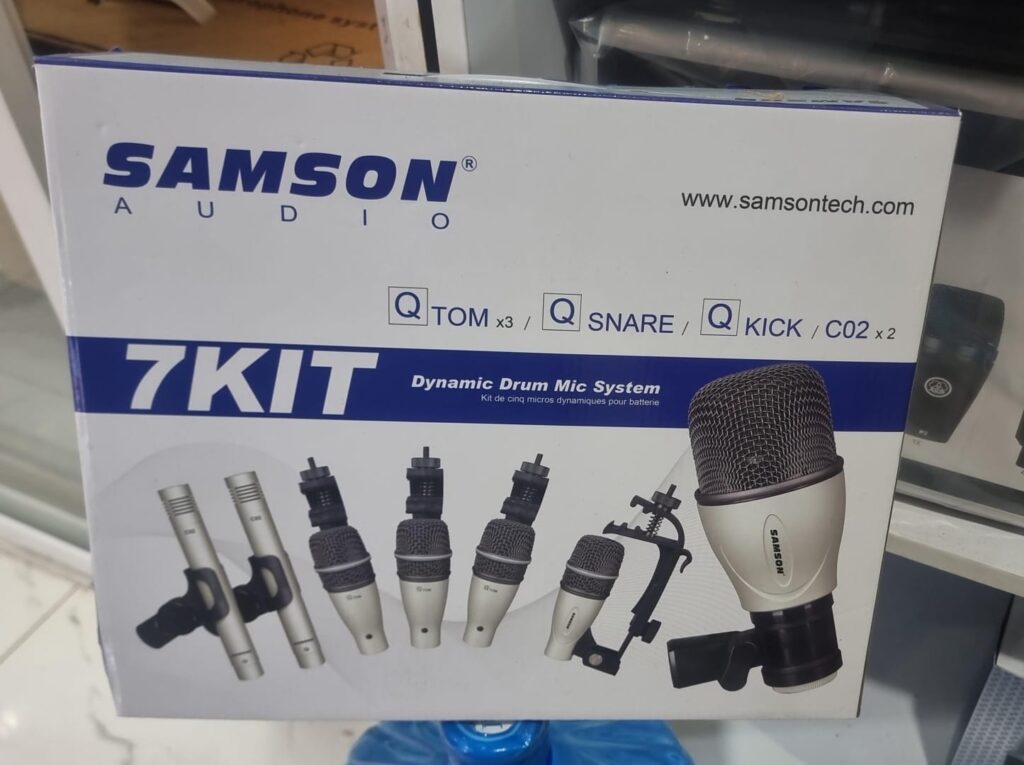
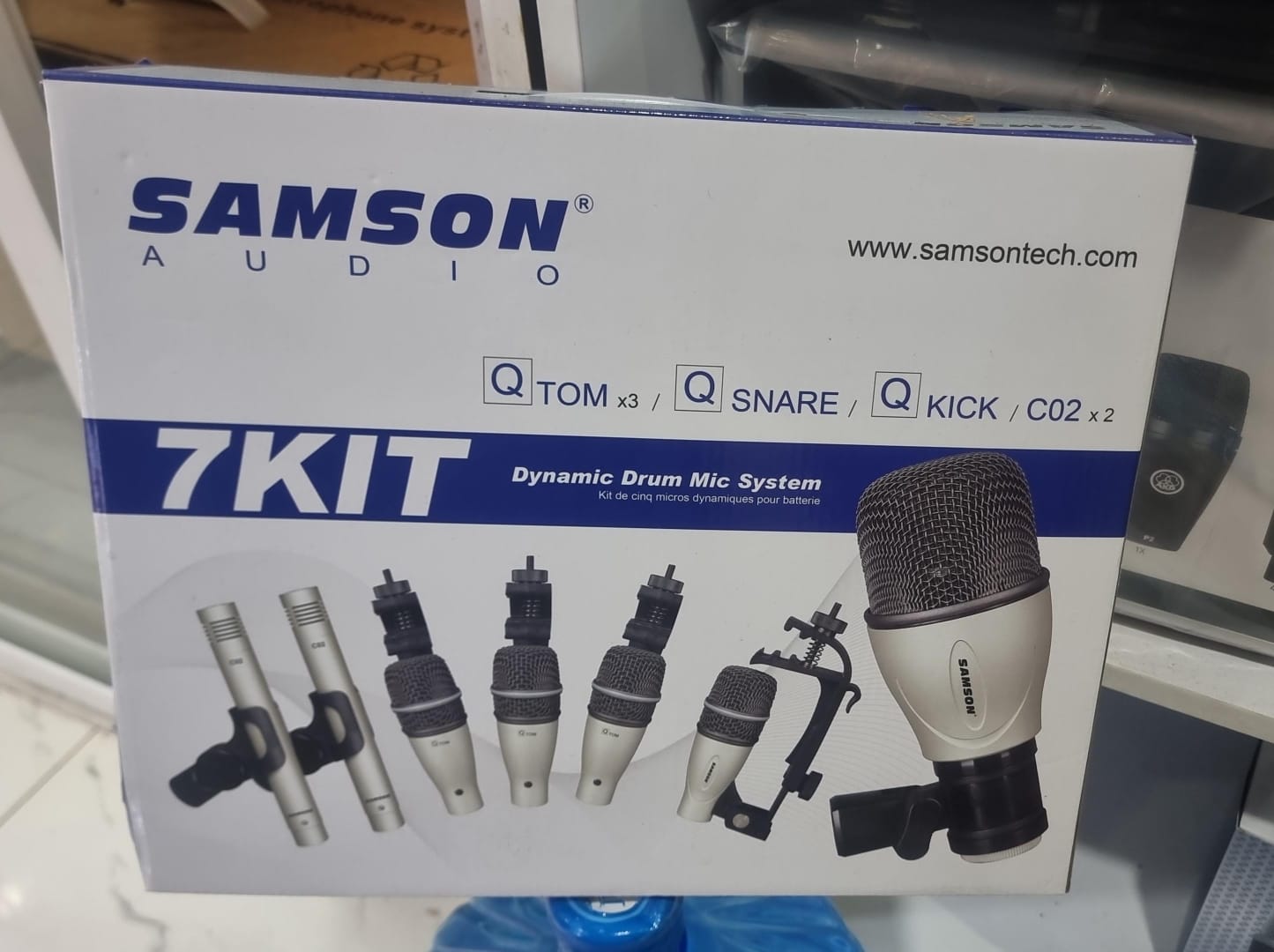
- Contents: 1x Q Kick (kick), 1x Q Snare (snare), 3x Q Tom (toms), 2x C02 (overheads).
- My Engineer’s Take: This is a classic entry-point kit. The specialized mics make setup very clear for those learning to mic a kit. The dynamic mics (Q Kick, Snare, Tom) will capture the sound, but in my experience, their off-axis rejection is limited.
- This means you’ll get significant hi-hat bleed into your snare mic, which you’ll have to fight with gates and EQ. The C02 condensers are functional, but they have a “thin” or “brittle” high-end that can make cymbals sound harsh. You’ll be doing a lot of corrective EQ to make them sit in a mix.
- Best For: Home and project studios where you have time to dial in the sound and manage bleed post-recording.
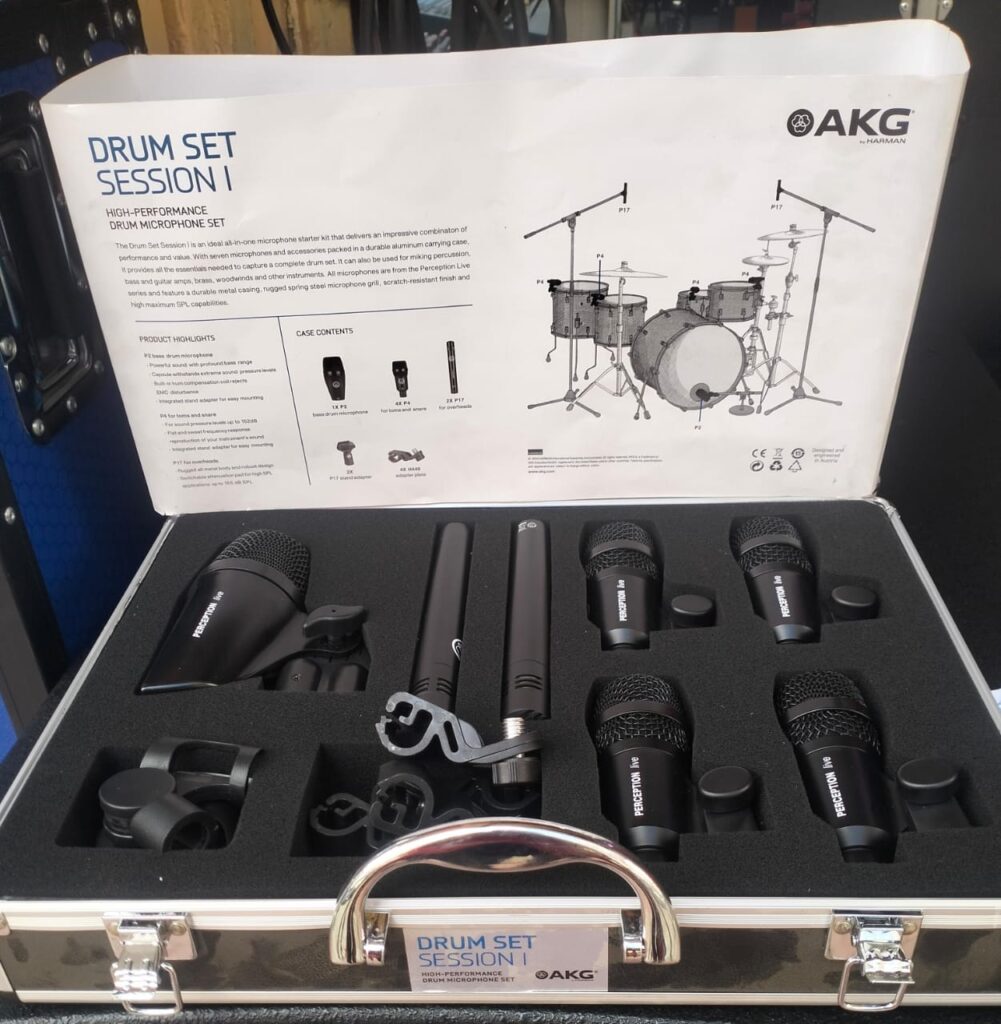
2. The Gigging Workhorse: AKG Drum Set Session I
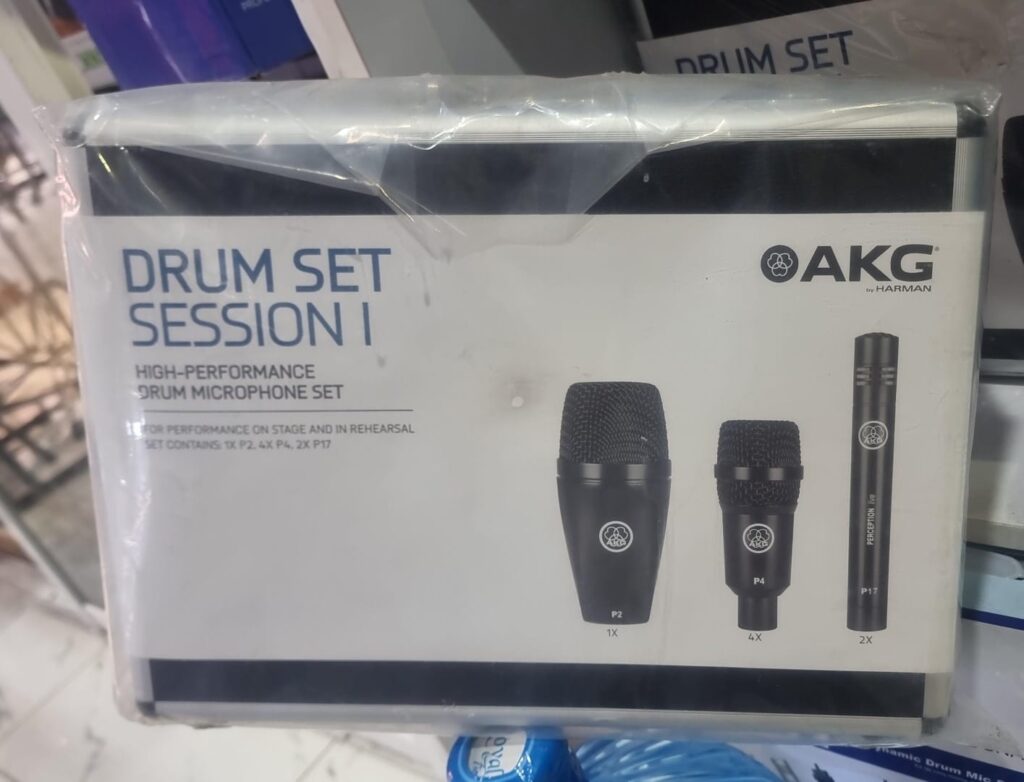
- Contents: 1x P2 (kick), 4x P4 (snare/tom), 2x P17 (overheads).
- My Engineer’s Take: This is a serious step up and a kit I see often in small venues and rehearsal spaces. The aluminum carrying case is a huge practical advantage for any gigging musician. The P2 kick mic is solid, delivering a modern, pre-scooped sound that’s easy to place in a live mix. The 1+4+2 “flexible” configuration using the four P4 mics is exactly what I prefer for tonal consistency. The real-world advantage here comes from the P17 overheads. These are much smoother-sounding small-diaphragm condensers than the Samson C02s and capture cymbals with far less harshness.
- Best For: Gigging bands, live venues, and serious project studios that need a reliable, road-ready, and flexible set.
3. The Professional Standard: Sennheiser e 900 Series
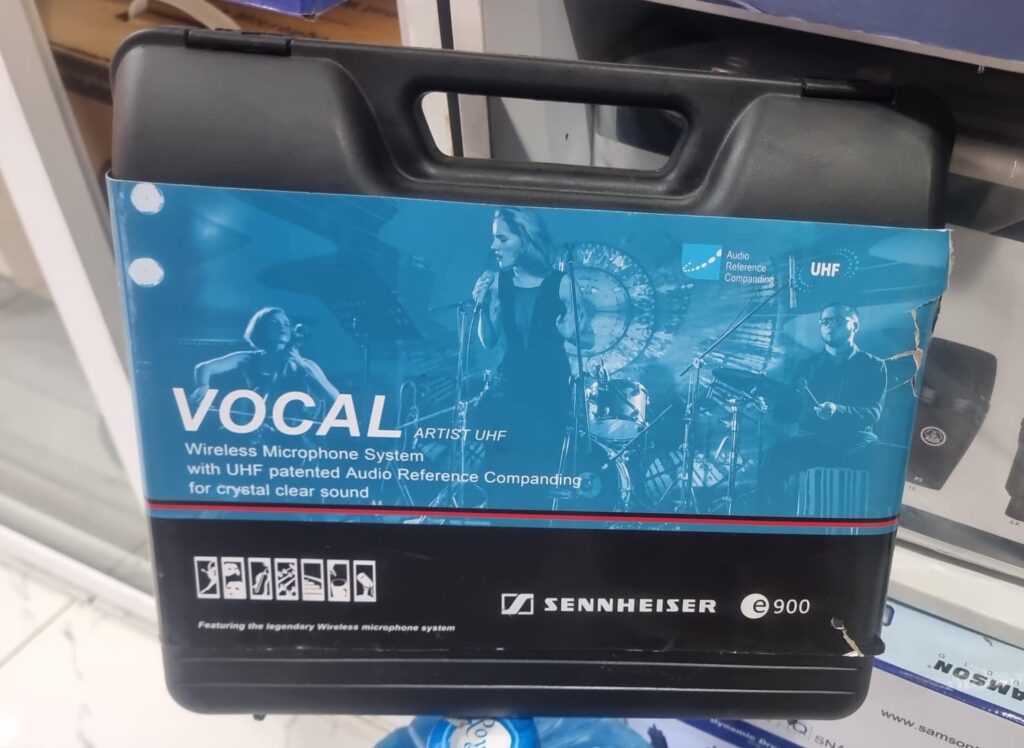
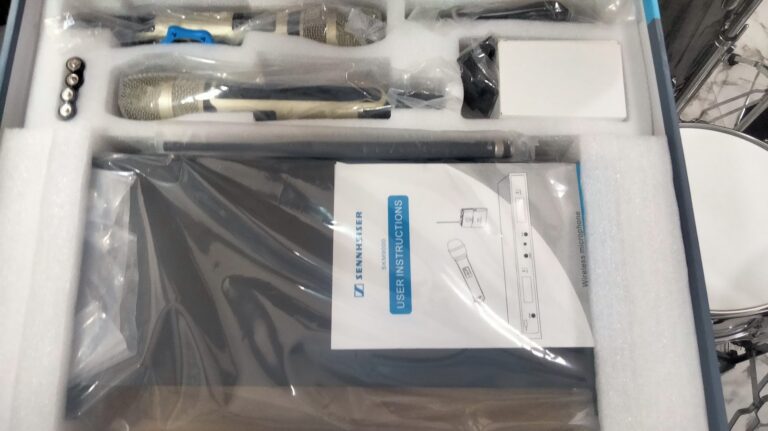
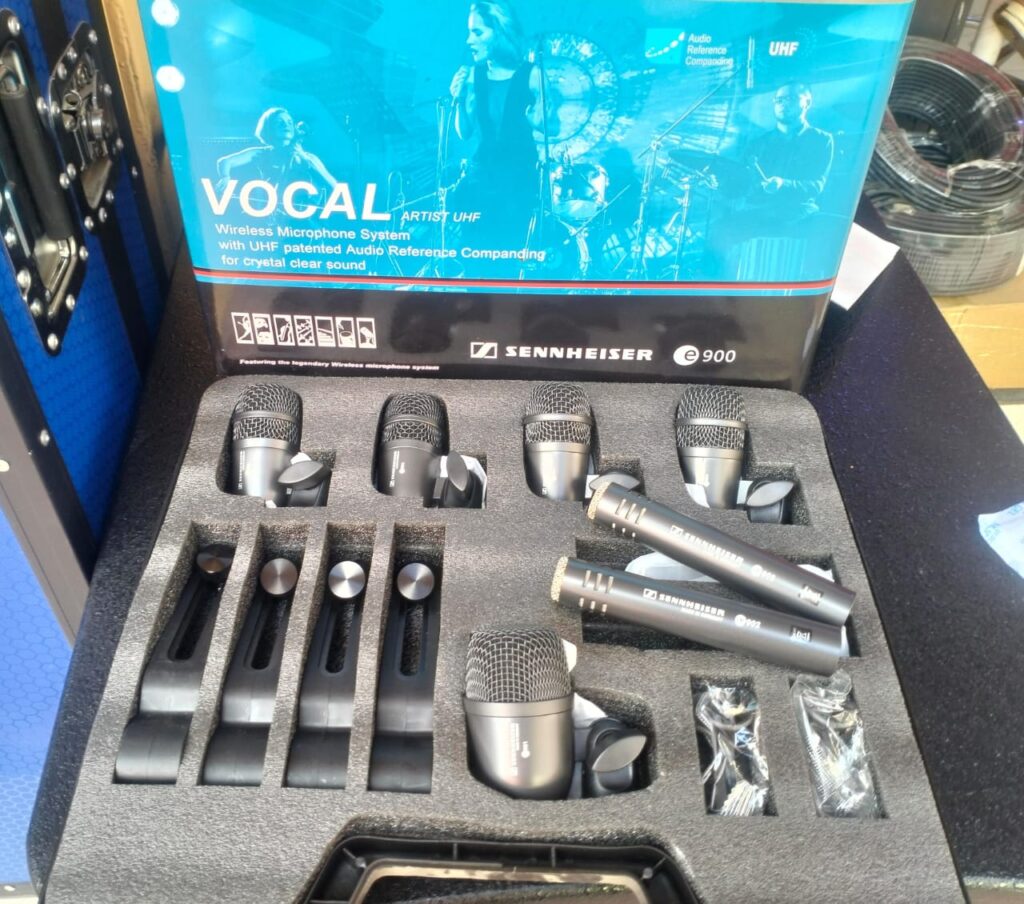
- Contents: (Visual identification from) 1x Kick Mic (looks like e 902), 4x Tom/Snare Mics (e 904), 2x Overhead Mics (likely e 914).
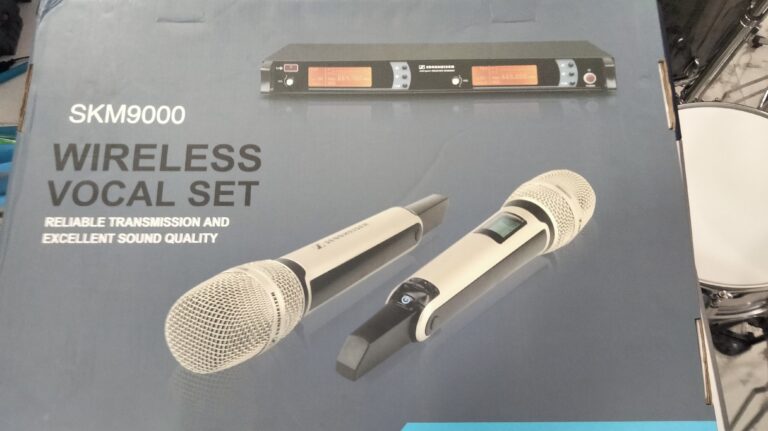
- My Engineer’s Take: First, let’s address the confusion: the outer sleeve on the case shows “VOCAL Wireless Microphone System”. This is a clear packaging mismatch. The foam cutouts and the microphones visible inside are unequivocally a wired e 900 series drum mic kit.This is the kit I’d put on a professional studio’s inventory or a national tour rider. The e 904 tom/snare mics are an industry standard for a reason: they are incredibly small, easy to place, have a built-in clip, and their off-axis rejection is superb. This means far less cymbal bleed. The e 902 kick mic is tight, punchy, and focused, perfect for rock. But the stars are the e 914 overheads. These are true professional condensers that capture transients with speed and clarity, and their high-frequency response is smooth, not brittle. Cymbals sound like cymbals, not just “noise.”
- Best For: Professional studios, touring engineers, and anyone making commercial-grade recordings. This is an investment, not a starter kit.
The Admin’s Final Word
Choosing a mic kit isn’t about “best or worst”; it’s about the right tool for the job.
- The Samson 7Kit is a tool for learning in a controlled environment.
- The AKG Session I is a workhorse tool I’d happily use for a live show tonight, confident in its flexibility and durability.
- The Sennheiser e 900 kit is a high-precision instrument for when the drum sound is not just part of the song, but the centerpiece of the production.
Your job as an engineer is to know the limitations of your tools. The Samson kit will require more work from you in the mix. The AKG kit makes your job easier. The Sennheiser kit lets you stop fixing the sound and start shaping it.
FAQs from an Engineer’s Perspective
1. What’s the first mic I should upgrade from a kit like the Samson or AKG? Your overheads. Always. The overheads define the entire stereo image and capture the cymbals, which have the most complex frequencies. Upgrading from a C02 or P17 to something like the e 914s (or Shure SM81s, as mentioned in the other article) will make the single biggest improvement to your drum sound.
2. The Sennheiser case says “VOCAL ARTIST UHF”. Is it a wireless kit? No. This is a common issue with packaging. The outer sleeve is incorrect. The contents visible in the foam-lined case are a 7-piece wired drum microphone kit from the e 900 series.
3. Why do I prefer the 1+4+2 (AKG/Sennheiser) setup? Tonal consistency. When your snare and all your toms are captured by the same model of microphone, they share a core sonic character. This makes it infinitely easier to make them sound like a single, cohesive instrument in the final mix, rather than a collection of different drums.